
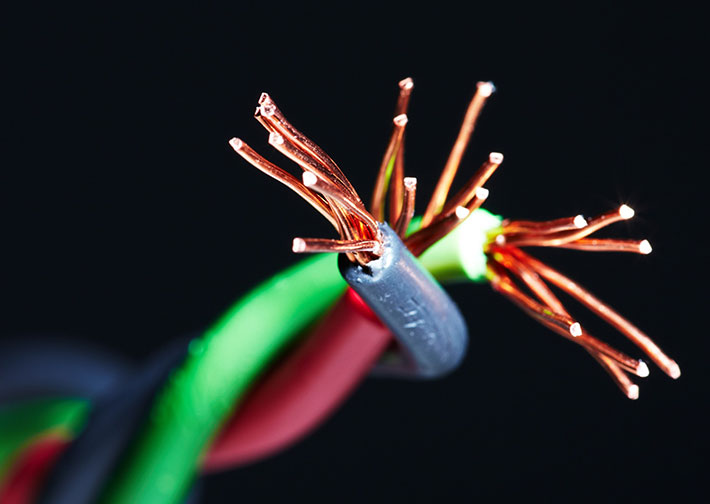
When it comes to the electrical system of your business, you likely have a lot of questions. What are all these bundles of wires, conduits, and cabling in our ceiling for? Do we really need so many of them? Are there more efficient cables than what we currently use? Unless you are a certified electrician or a wire and cabling supplier, you likely don’t know the answers to these questions, but you should.
There’s a lot to know about the electrical infrastructure of your business and the wiring needed to support it.
That’s why in today’s blog, we will answer common questions about low-voltage wire and cables. As wires play a critical role in powering computers, lights, and other electronics that keep your business running smoothly, it is crucial that business owners understand at least the basics.
What Is Low-Voltage Cabling?
Low-voltage cables refer to the wires that transfer electrical signals between power sources and electronic devices, such as phone lines, lighting, and computers. The “low voltage” aspect means that the wires can transfer only up to 50 volts. This should not be confused with high-voltage cabling that can transfer 1000 volts or more and is typically used in large-scale electrical systems like utility grids.
Due to their lower volt capacity, low-voltage cables are much safer than high-voltage, making them the ideal system for the electrical infrastructure of commercial businesses and homes.
What Is Low-Voltage Cabling Used For?
As we stated earlier, low-voltage cables are used to power phone lines, computers, and lighting, but that is just a fraction of their capability. Essentially, these wires power everything electronic and make up the technological infrastructure of a building. This includes audio & visual systems, WiFi and internet systems, thermostat controls, and even security alarms.
Are There Different Types of Low-Voltage Cables?
Yes, there are a few different types of low-voltage cables available for commercial and residential use, each differing in internal makeups, speed capabilities, and data capacities. Here are a few that we carry at Onsite Wire & Cable in both locations.
Twisted Pair – Given its name due to its inner core of intertwined copper wires, twisted pair cables have a lower speed and smaller data capacity than other wires on the market, making them a more frugal option for smaller businesses and homes with low amounts of electrical needs.
Coaxial – Comprised of a center conductor insulated by multiple shields, coaxial cables are able to transmit electrical signals across long distances at moderate speed. This wiring works well for organizations seeking a fairly priced but efficient option.
Fiber Optic – Fiber Optic wires are composed of glass or plastic fibers that transfer electrical signals as light pulses. For speed, large amount of data transfer, and little electrical interference, fiber optic cables are the go-to solution.
What Industries Use Low-Voltage Cables?
Low-voltage cables and wires are used across a variety of industries, ranging from telecommunications and security to retail, agriculture, and manufacturing. In fact, we would venture to say that low-voltage cables are essential to every industry. Due to their ability to transfer 50 volts or less, these wires are the safe, sustainable, and efficient option for many businesses, large and small.
How Far Can Low-Voltage Cables Run?
The distance of low-voltage cables varies depending on the type of wire used, the voltage and current needed, and the gauge of the wire. For longer distances, such as across buildings, thicker wire is necessary.
Both of our warehouses in Michigan and Maryland have a variety of lengths and gauges available for every application, no matter the length of the run. Our certified sales and warehouse teams are experienced in helping customers choose the right wire for optimal performance and efficiency.
Is Low-Voltage Wiring Safe to Handle?
All electrical wiring can lead to electrocution if not handled properly and with the correct safety precautions. Generally speaking, though, low-voltage cables are relatively safe. In fact, many people take a DIY approach to installing low-voltage cables, but it is always a good idea to hire a qualified electrician to ensure the safety of the installer as well as the safety of the electrical devices.
Get First Class Cabling Solutions
From audio-visual setups and security to lighting systems and internet, low-voltage cables and wires are the essential component that keeps businesses operating. Now that you understand the basics of low-voltage electrical systems, you are better equipped to make informed decisions about your electrical infrastructure.
If you are still unsure or have questions, our qualified and friendly staff at Onsite Wire & Cable are here to guide you through every step of the process. Our onsite inventory is fully stocked ensuring you find the ideal solution to fulfill your wire and cable needs.
Get your Quick Quote online today!